
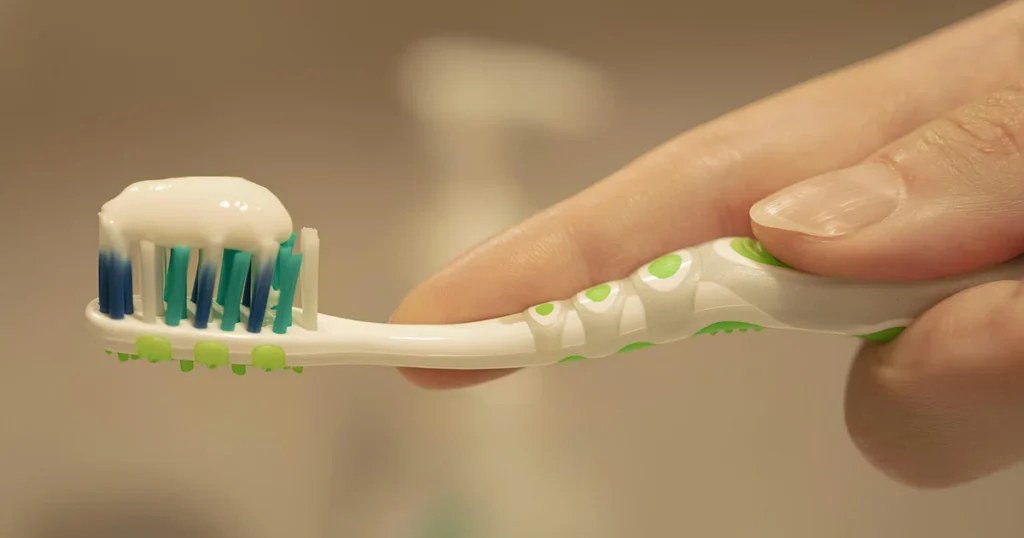
Dental hygiene is the combination of daily habits and professional preventive care that keeps your mouth clean and lowers the risk of dental problems. At home, that means brushing, cleaning between your teeth and making smart food choices. At the dental office, it means regular examinations and professional cleanings.
When plaque is not removed regularly, it can lead to tooth decay, gum inflammation (gingivitis), hardened tartar and bad breath. Good dental hygiene goes beyond brushing. It also includes interdental cleaning, what and how often you eat and drink, and ongoing professional care.
Your needs may differ with your age, any fillings or crowns, braces or aligners, and your general health. The oral hygiene tips below from Redwood Dental Centre in Thunder Bay will help you build a consistent dental care routine for healthy teeth and gums. Good habits lower your risk, but they cannot remove it completely, so ask your dentist for advice that suits your mouth.
Why Is Daily Dental Hygiene Important for Oral Health?
Daily dental hygiene removes plaque, keeps harmful bacteria under control and lowers the risk of cavities, gum disease and bad breath. Plaque is a sticky film of bacteria that forms on teeth every day, so it needs to be removed every day.
Preventing tooth decay
Plaque bacteria feed on sugars and produce acids that pull minerals out of tooth enamel. Over time this can lead to cavities. Brushing with fluoride toothpaste and cleaning between your teeth help keep plaque levels down, and fluoride helps strengthen enamel.
Supporting healthy gums
Plaque along the gumline can irritate the gums, causing gingivitis. The Canadian Dental Association describes the signs of gingivitis as red, swollen gums that bleed easily. Good daily care and professional cleanings can help reduce this inflammation.
Reducing bad breath
Food trapped between teeth, bacteria on the tongue and some oral health conditions can all cause bad breath. Brushing, interdental cleaning and gently cleaning your tongue help with many common causes.
Preventing tartar build-up
Plaque that is left on the teeth can harden into tartar (also called calculus). Tartar cannot be brushed away and usually needs to be removed by a dental professional.
Protecting teeth and restorations
Good oral hygiene helps keep natural teeth healthy and supports the life of fillings, crowns, bridges and implants. The edges of these restorations can still collect plaque and develop decay.
Supporting overall health
Oral health and general health are linked. The National Institute of Dental and Craniofacial Research explains that diabetes and gum disease affect each other: people with diabetes are more likely to develop gum disease, and gum disease may make blood sugar harder to control. An association does not always mean one condition causes the other.
Daily care supports long-term oral health, but it does not replace regular dental examinations.
How to Brush Your Teeth Properly for Better Oral Health
Brush twice a day for about two minutes with a soft-bristled toothbrush and fluoride toothpaste, using gentle movements along the gumline. The Public Health Agency of Canada recommends brushing for about two minutes, at least twice a day, and flossing once a day.
Step 1: Choose the right toothbrush
Use a soft-bristled brush with a head that fits comfortably in your mouth. The American Dental Association notes that manual and powered toothbrushes can both clean well when used properly.
Step 2: Use fluoride toothpaste
Fluoride helps strengthen enamel and lower the risk of decay. Children need smaller amounts than adults. Health Canada provides oral health tips for children, including how much toothpaste to use and the need for supervision.
Step 3: Angle the brush toward the gumline
Hold the brush at about a 45-degree angle to where your teeth meet your gums. Use small, gentle circles, as described in the Canadian Dental Association’s brushing and flossing guide.
Step 4: Clean every surface
- Outer surfaces facing your cheeks and lips.
- Inner surfaces facing your tongue and palate.
- Chewing surfaces.
- Areas right along the gumline.
- Hard-to-reach back teeth.
Step 5: Brush for two minutes
A timer, a phone app or an electric toothbrush with a built-in timer can help you brush for the full two minutes.
Step 6: Do not scrub too hard
Pressing hard can irritate gums and wear tooth surfaces. Gentle pressure removes plaque effectively.
Step 7: Spit, don’t rinse
After brushing, spit out the extra toothpaste rather than rinsing with lots of water. This leaves more fluoride on your teeth.
Common brushing mistakes
- Brushing too quickly.
- Missing the gumline.
- Pressing too hard.
- Skipping the back teeth.
- Using a worn-out brush.
- Skipping the night-time brush.
Children, people with braces and people with certain dental conditions may need to adapt their technique. Ask your dental team for advice.
What Is the Correct Way to Floss Your Teeth?
Floss once a day by gently sliding the floss between your teeth, curving it into a C-shape around each tooth and moving it up and down. Flossing removes plaque and food from spaces that toothbrush bristles cannot reach.
- Prepare the floss: Use a piece about the length of your arm. Wrap most of it around your middle fingers, leaving a few centimetres to work with.
- Guide it between teeth: Slide the floss gently between two teeth. Do not snap it down onto your gums.
- Make a C-shape: Curve the floss around the side of one tooth and move it up and down.
- Go just below the gumline: Gently clean slightly under the gum edge without forcing the floss in.
- Use a clean section: Move to a fresh part of the floss for each space.
- Clean every space: Include the backs of your last molars.
Other interdental cleaning tools
| Cleaning Tool | Common Use |
| Traditional dental floss | Cleaning between teeth with narrow spaces |
| Interdental brushes | Cleaning larger spaces and around some dental appliances |
| Floss picks | A convenient option for some people |
| Water flossers | Supporting interdental cleaning, especially for some people with braces or limited hand movement |
| Floss threaders | Cleaning around bridges and some orthodontic appliances |
The spaces between your teeth, your gum health, any restorations and your own needs all decide which tool works best.
What if your gums bleed when you floss?
Bleeding often happens when gums are inflamed or when floss is pushed too hard. Bleeding that keeps happening should be checked by a dental professional rather than ignored. Keep cleaning gently every day using the technique your dentist or hygienist recommends.
How Often Should You Schedule Professional Dental Cleanings?
Many people do well with a professional cleaning about every six months. People with gum disease or a history of heavy build-up may benefit from visits every three to four months. Your dental team will recommend the interval that suits your gums, how quickly tartar builds up and your other risk factors.
Why professional cleaning matters
A dental hygienist removes plaque and hardened tartar that home care cannot. The visit also gives your dental team a chance to check your gums and spot problems early.
What happens during a dental cleaning?
- Talking about any concerns or changes in your mouth.
- Examining your teeth and checking your gum pockets.
- Checking for plaque and tartar build-up.
- Scaling to remove deposits, including below the gumline if needed.
- Polishing to remove surface stains.
- Fluoride or X-rays if needed.
- Personal advice on your brushing and flossing.
Exactly what is done reflects your oral health. Learn more about our Dental Hygiene visits.
People who may need more frequent visits
- People with existing gum (periodontal) disease.
- People who build up tartar quickly.
- People with a history of frequent cavities.
- People with medical conditions that affect oral health.
- People with braces or other orthodontic appliances.
- People with dental implants or complex restorations.
- People who find daily cleaning difficult.
Professional cleaning vs. daily home care
| Comparison | Daily Dental Hygiene | Professional Dental Cleaning |
| Main purpose | Remove daily plaque and food debris | Remove plaque and tartar and support preventive care |
| Frequency | Every day | Based on your dentist’s recommendation |
| Tools used | Toothbrush, fluoride toothpaste, floss or interdental cleaners | Professional dental instruments |
| Main benefit | Ongoing plaque control | Removes deposits and reaches areas needing professional care |
| Limitations | Cannot remove hardened tartar | Does not replace daily brushing and interdental cleaning |
Professional cleanings work alongside your daily routine, not instead of it.
Which Everyday Habits Help Prevent Cavities and Gum Disease?
Brushing twice a day with fluoride toothpaste, cleaning between your teeth daily, limiting frequent sugar, avoiding tobacco and seeing your dentist regularly all help lower your risk of cavities and gum disease.
Brush twice a day with fluoride toothpaste
Brush for about two minutes each time. Fluoride helps protect enamel.
Clean between your teeth daily
Floss or interdental brushes reach the places your toothbrush misses.
Limit how often you have sugar
Each time you eat or drink something sugary, plaque bacteria produce acid. Frequency matters as much as amount, so constant snacking or sipping sweet drinks is especially hard on teeth.
Drink water
Water helps rinse away food and supports saliva flow. Fluoridated tap water, where available, adds extra protection.
Avoid tobacco
Tobacco raises the risk of gum disease and other oral health problems. If you use tobacco, ask your doctor or pharmacist about support to quit.
Eat a balanced diet
Healthy meals support your body and your mouth. Frequent acidic drinks, such as soft drinks and sports drinks, can wear enamel and add to decay risk.
Replace your toothbrush
The American Dental Association recommends replacing your toothbrush every three to four months, or sooner if the bristles look frayed.
See your dentist regularly
Preventive visits help catch problems early and give you advice tailored to your mouth.
Watch for warning signs
Book a dental appointment if you notice:
- Gums that bleed often.
- Tooth sensitivity or pain.
- Swollen or tender gums.
- Bad breath that will not go away.
- Loose teeth.
- Changes in how your gums look.
For more on gum care, read our guide to preventing gum disease.
A simple daily dental care routine
| Time | Recommended Dental Hygiene Habit |
| Morning | Brush with fluoride toothpaste for about two minutes |
| During the day | Drink water and limit frequent sugary snacks and drinks |
| Evening | Clean between teeth with floss or an interdental cleaner |
| Before bed | Brush thoroughly with fluoride toothpaste |
| As recommended | Attend dental examinations and professional cleanings |
Consistent daily habits do more good than an occasional big clean-up. Home care cannot reverse an established cavity or treat advanced gum disease, which need professional treatment.
Dental Hygiene Care in Thunder Bay
A dental hygiene visit gives you a professional clean and personalized advice on your home routine.
If you are looking for a dentist in Thunder Bay, Redwood Dental Centre offers Dental Hygiene appointments. Our hygienists remove plaque and tartar from around and between your teeth, check your gum pockets for early signs of irritation or disease, polish away surface stains and review your brushing and flossing. We can also apply fluoride or take X-rays if needed, and we check your coverage beforehand. For children, our Children’s and Family Dental care includes cleanings, fluoride or sealants when recommended, and simple guidance on brushing and flossing at home.
Call us to confirm appointment availability and what your visit will include.
Frequently Asked Questions
How many times a day should you brush your teeth?
Brush your teeth twice a day for about two minutes each time using fluoride toothpaste. Clean every surface and along the gumline. Young children need a smaller amount of toothpaste and help from an adult.
Is flossing necessary if you brush your teeth regularly?
Yes. Brushing alone does not clean well between your teeth. Flossing or another interdental cleaner once a day removes plaque and food from these spaces. Ask your dentist which tool suits your teeth and gums.
How often should you get a professional dental cleaning?
Many people do well with a cleaning about every six months. People with gum disease or a history of heavy build-up may need visits every three to four months. Follow your dental team’s advice.
What is the best way to prevent cavities and gum disease?
Brush twice a day with fluoride toothpaste, clean between your teeth daily, limit frequent sugary foods and drinks, avoid tobacco and see your dentist regularly. These habits lower your risk but cannot guarantee you will never have problems.
Can poor dental hygiene affect your overall health?
Yes, it can. Poor dental hygiene can lead to tooth decay and gum disease, which can affect comfort, eating and quality of life. Gum disease is also linked with conditions such as diabetes, although a link does not always mean one causes the other.
Small Daily Habits, Long-Term Results
Good dental hygiene comes down to a few simple habits done well every day: brushing, cleaning between your teeth, eating sensibly and keeping up with professional care. Together, they help keep your teeth and gums healthy for years to come.
Want personalized advice on your routine? Book a dental hygiene visit so we can check your teeth and gums, remove tartar and suggest ways to manage plaque, gum health and cavity risk. Contact us to ask about preventive care, professional cleanings and appointment availability.
This article is general information, not dental advice for your situation. Speak with a dentist or hygienist about your own oral health.