
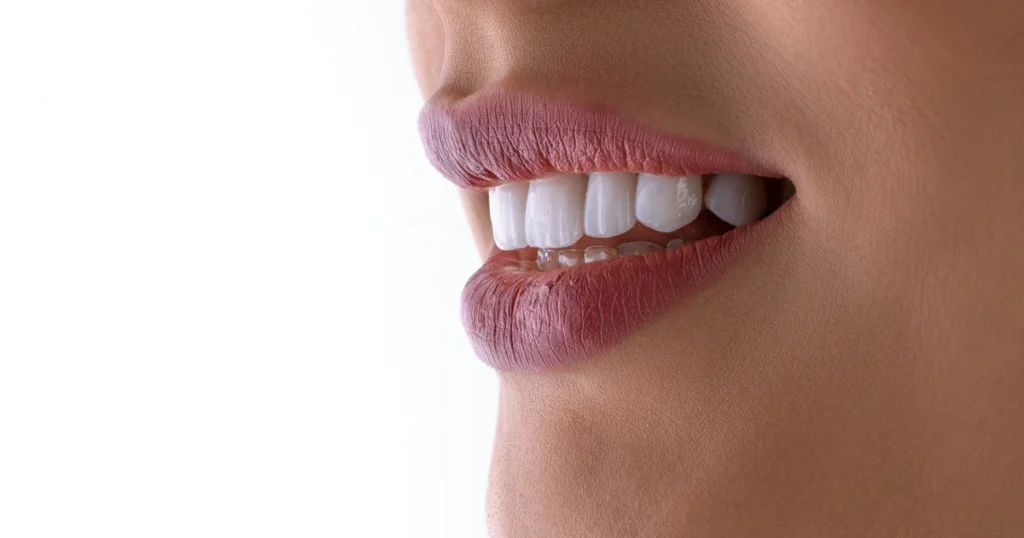
Teeth whitening is a cosmetic dental treatment that helps lighten stained or discoloured teeth, giving your smile a brighter appearance. Over time, coffee, tea, certain foods, tobacco and natural ageing can affect tooth colour. While some stains respond to regular cleaning, others may benefit from whitening treatment.
The best way to whiten teeth safely depends on the cause of discolouration, your oral health and the results you want to achieve. Professional teeth whitening, dentist-supervised take-home kits and over-the-counter products offer different benefits.
Understanding how these options work can help you choose a suitable approach without putting your teeth or gums at unnecessary risk.
How Does Teeth Whitening Work?
Teeth whitening works by using bleaching agents to break down stain molecules within natural teeth, making discolouration less noticeable.
Most whitening treatments contain hydrogen peroxide or carbamide peroxide. These ingredients penetrate the tooth surface and react with compounds responsible for staining.
According to Health Canada’s guidance on tooth whitening products, peroxide-based whitening products can produce noticeable results when used correctly.
However, whitening results depend on the type and severity of discolouration.
Surface Stains vs Deeper Tooth Discolouration
There are two main types of tooth discolouration:
- Extrinsic discolouration: Stains that develop on the outer tooth surface, commonly from coffee, tea, red wine and tobacco.
- Intrinsic discolouration: Changes within the tooth structure that may result from ageing, certain medications, injuries or other factors.
Surface stains may improve with professional cleaning or stain-removing toothpaste. Deeper discolouration may respond to peroxide-based whitening, although some types are difficult to treat.
Whitening products also have limitations. They lighten natural teeth but do not change the original colour of fillings, crowns or veneers.
A dental examination can help identify whether whitening is suitable or whether another treatment would provide a better result.
What Causes Tooth Discolouration?
Tooth discolouration develops for several reasons, including everyday habits, changes in tooth structure and certain dental conditions.
Understanding the cause can help determine which teeth whitening options are likely to work.
Food and Drinks
Coffee, tea, red wine and strongly coloured foods contain pigments that can gradually stain tooth surfaces.
Frequent exposure may make discolouration more noticeable, particularly when plaque and other deposits accumulate.
Tobacco Use
Smoking and other tobacco products can leave yellow or brown stains on teeth.
Nicotine and tar contribute to staining, which may become more difficult to remove over time.
Natural Ageing
Teeth often become darker as people age.
The outer enamel layer can gradually become thinner, allowing more of the naturally yellow dentine underneath to show through.
Whitening may improve some age-related discolouration, although results vary.
Medications and Dental Injuries
Certain medications can affect tooth colour, particularly when exposure occurs while teeth are developing.
Dental injuries can also cause individual teeth to darken. In these situations, standard whitening may not fully correct the colour change.
A tooth that suddenly changes colour, especially after an injury, should be examined by a dentist.
Plaque and Tartar Buildup
Plaque and hardened tartar can contribute to a dull or discoloured appearance.
Professional cleaning removes deposits that regular brushing cannot fully eliminate.
For patients whose main concern is surface staining, a cleaning may be a useful starting point before exploring cosmetic whitening.
Professional vs At-Home Teeth Whitening
The main difference between professional and at-home teeth whitening is the level of dental supervision, the whitening products used and how quickly results may appear.
Professional whitening offers personalised treatment and monitoring, while store-bought products provide a more accessible option for people with suitable teeth and gums.
Comparing Teeth Whitening Options
| Whitening Option | How It Works | What to Expect |
| In-office professional whitening | A dental professional applies whitening gel under controlled conditions. | Results may become noticeable after one appointment, depending on the stains. |
| Dentist-supervised take-home whitening | Custom-fitted trays hold whitening gel against the teeth for prescribed periods. | Gradual whitening at home with professional instructions. |
| Over-the-counter whitening strips or gels | Ready-made products use bleaching ingredients to lighten natural teeth. | Results vary, and incorrect use may cause sensitivity or gum irritation. |
| Whitening toothpaste | Special cleaning or polishing ingredients help remove surface stains. | May improve surface colour but generally cannot change deeper tooth colour. |
The Canadian Dental Association’s guidance on teeth whitening explains that whitening products differ in strength, application and potential side effects.
When Is Professional Teeth Whitening a Better Choice?
Professional whitening may be suitable for people who want personalised advice, have noticeable staining or prefer treatment supervised by a dental professional.
At Redwood Dental, patients can explore professional teeth whitening in Thunder Bay, including in-office treatment and customised take-home whitening kits.
The clinic’s in-office option uses a whitening gel and light, while its take-home option includes personalised trays and guidance on application.
The appropriate approach depends on the condition of your teeth, any existing sensitivity and your treatment goals.
When Might At-Home Whitening Be Suitable?
At-home whitening may be an option for adults with healthy teeth and gums who prefer gradual results.
However, store-bought products may not fit every mouth equally well, and some can cause temporary sensitivity or gum irritation.
Before choosing a product, check the instructions and ask a dental professional about its suitability.
Avoid combining multiple whitening products or extending treatment beyond the recommended duration.
Whitening may also be unsuitable for some types of discolouration. When a tooth has severe staining, structural damage or an existing restoration, a dentist may discuss alternatives such as same-day veneers.
What to Expect During Teeth Whitening
Professional teeth whitening usually begins with a dental assessment, followed by a whitening approach selected for your oral health and preferred results.
Although the exact process varies, the following steps explain what patients can generally expect.
1. Dental Examination and Consultation
Before treatment, your dentist examines your teeth and gums and discusses your concerns.
The assessment may include checking for:
- Tooth decay or damaged fillings
- Gum inflammation or gum disease
- Existing tooth sensitivity
- Crowns, veneers or other restorations
- The type and severity of tooth discolouration
Untreated dental problems may need attention before whitening begins.
Your dentist can also explain the results that may be realistic for your natural tooth colour.
2. Cleaning Before Whitening
Some patients may benefit from a professional cleaning before whitening.
Removing plaque, tartar and surface stains allows your dentist to assess the underlying tooth colour more accurately.
Regular dental hygiene services also support healthy teeth and gums before and after cosmetic treatment.
3. Applying the Whitening Treatment
For in-office whitening, a dental professional takes steps to protect the gums before applying the whitening product to the teeth.
The treatment may involve one or more applications, depending on the system and individual needs.
For dentist-supervised take-home whitening, patients receive instructions on applying the gel to their customised trays and how long to wear them.
Following these instructions helps reduce unnecessary exposure to whitening agents.
4. Managing Tooth Sensitivity
Temporary sensitivity is one of the most common side effects of whitening.
Some people notice discomfort when drinking cold beverages or eating certain foods. Mild gum irritation can also occur.
If sensitivity develops, a dentist may recommend adjusting the application time, taking a short break or stopping treatment.
People with existing sensitivity, cavities or gum disease should seek dental advice before whitening.
5. Reviewing the Results
The final shade depends on your starting tooth colour, the whitening method and how your teeth respond.
Not every stain can be completely removed, and whitening does not produce the same result for everyone.
The goal should be a natural-looking improvement that suits your teeth rather than an unrealistically white shade.
How to Maintain Your Whitening Results
Whitening results are not permanent. Teeth can gradually develop new stains through everyday eating, drinking and lifestyle habits.
Good oral hygiene and sensible maintenance can help keep your smile brighter for longer.
Brush and Floss Consistently
Brush your teeth twice daily using fluoride toothpaste and clean between your teeth every day.
These habits help remove plaque and reduce the buildup of new surface stains.
Use a soft-bristled toothbrush and avoid aggressive brushing, which can contribute to tooth and gum damage.
Limit Stain-Causing Drinks and Foods
You do not necessarily need to stop drinking coffee or tea, but reducing frequent exposure may help manage staining.
Practical habits include:
- Rinsing your mouth with water after coffee, tea or red wine
- Drinking water regularly throughout the day
- Limiting frequent consumption of strongly coloured drinks
- Avoiding smoking and other tobacco products
Small changes can help reduce new surface stains without making your daily routine difficult.
Keep Up With Dental Checkups and Cleanings
Regular dental visits help maintain oral health while allowing your dental team to identify and remove surface deposits.
Your dentist can recommend how often you need professional cleaning based on your individual oral health.
Avoid Unsafe DIY Whitening Methods
Home remedies such as lemon juice, vinegar and abrasive charcoal mixtures are sometimes promoted as natural whitening methods.
However, acidic substances and abrasive scrubs can damage enamel.
The American Dental Association’s advice on natural teeth whitening warns against unproven whitening practices that may wear away tooth enamel.
Choose appropriately formulated dental products rather than experimenting with household ingredients.
Ask About Whitening Touch-Ups
Some people may benefit from occasional touch-up treatments as their teeth gradually become stained again.
The timing depends on the whitening method, oral health and individual habits.
Avoid repeating full whitening treatments too frequently without professional advice.
Frequently Asked Questions About Teeth Whitening
How long does teeth whitening last?
Teeth whitening results can last for several months, but they are not permanent. Health Canada notes that some whitening results may last up to six months. The duration varies according to the treatment used, your diet, tobacco exposure and oral hygiene habits. Occasional touch-ups may help maintain the colour.
Is teeth whitening safe for sensitive teeth?
Teeth whitening may be suitable for some people with sensitive teeth, but a dental assessment is recommended first. Whitening products can temporarily increase sensitivity. A dentist may suggest a different product, shorter application times or treatment for an underlying dental problem before whitening.
Can whitening damage tooth enamel?
Whitening products are generally considered safe when used correctly, but excessive or inappropriate use can harm teeth or gums. Overusing whitening agents or applying highly acidic DIY mixtures may increase the risk of enamel damage and irritation. Follow product directions and seek professional advice before repeated treatments.
Does whitening work on crowns or veneers?
No. Conventional bleaching products do not change the original colour of dental crowns, veneers or fillings. Whitening only affects natural teeth. If you have visible restorations, your dentist can explain how whitening could affect the overall colour match of your smile.
How often can you whiten your teeth?
There is no single whitening schedule suitable for everyone. The appropriate frequency depends on the product, the condition of your teeth and whether you experience sensitivity. Follow the recommended treatment course and speak with your dentist before repeating whitening or scheduling touch-ups.
Find the Right Teeth Whitening Option for Your Smile
Teeth whitening can improve the appearance of stained or discoloured natural teeth, but the best results begin with understanding what is causing the colour change.
Professional whitening offers personalised care, while suitable at-home products may provide gradual improvements. Whichever method you choose, protecting your enamel and maintaining good oral hygiene should remain priorities.
If you are looking for a Dentist in Thunder BaY, Redwood Dental can help you explore whitening options based on your oral health and smile goals.
Ready to find out which whitening treatment may suit your teeth? Book a dental consultation with Redwood Dental in Thunder Bay to discuss your options and take the next step towards a brighter, natural-looking smile.