
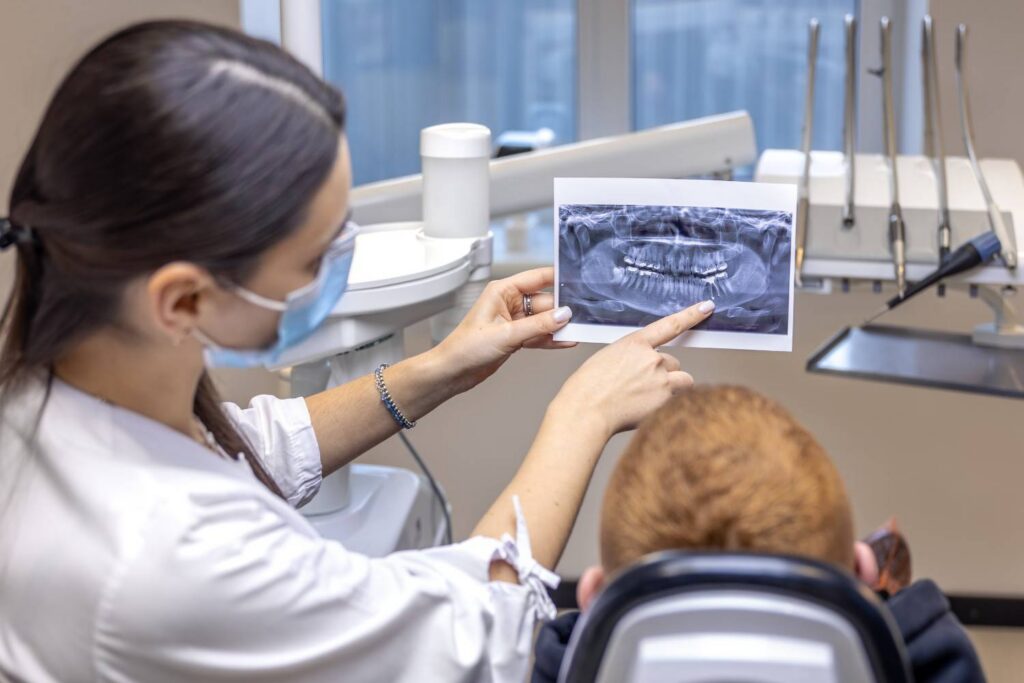
Preventing gum disease comes down to removing plaque every day and having tartar removed professionally. Brush at least twice a day, clean between your teeth at least once every 24 hours, avoid tobacco, manage risk factors such as diabetes, and keep up regular dental hygiene visits. Early gum disease, called gingivitis, can usually be reversed with good care. Advanced gum disease, called periodontitis, can be managed but not cured. This guide covers warning signs, daily habits, risk factors, and what happens at a dental visit in Thunder Bay.
How Common Is Gum Disease?
Gum disease is very common. According to the Canadian Dental Association, seven out of 10 Canadians will develop gum disease at some point in their lives, and it can progress quietly without pain. The Canadian Dental Hygienists Association reports that about 10% of Canadians are living with severe periodontitis. Because early gum disease often does not hurt, many people do not realize they have it.
How Does Gum Disease Develop?
Gum disease begins when plaque, a sticky film of bacteria, builds up along and below the gumline. If plaque is not removed daily, it hardens into tartar (also called calculus), which brushing cannot remove.
| Stage | What happens | Can it be reversed? |
| Healthy gums | Firm, pink gums that do not bleed | Not applicable |
| Gingivitis | Red, swollen gums that may bleed when brushing | Usually yes, with good home care and professional cleaning |
| Periodontitis | Infection damages gum attachment and the bone supporting the teeth | Can be managed but not cured; lost bone does not usually grow back on its own |
| Advanced periodontitis | Deep pockets, gum recession, loose teeth | Requires ongoing professional care; teeth may be lost |
Warning Signs of Gum Disease
• Gums that bleed when you brush or floss
• Red, swollen, or tender gums
• Persistent bad breath or a bad taste
• Gums pulling away from the teeth (recession)
• Teeth that look longer or feel sensitive at the gumline
• Loose or shifting teeth
• Changes in how your teeth fit together when you bite
• Pus between the teeth and gums
Bleeding gums are not normal, even if they do not hurt. If you notice any of these signs, book a dental visit.
Daily Gum Health Tips
Brush twice a day with proper technique
Use a soft-bristled toothbrush and fluoride toothpaste. Angle the bristles toward the gumline and use gentle, short strokes or circles rather than scrubbing hard. Spend about two minutes, reaching every surface. Replace your toothbrush when the bristles are worn.
Clean between your teeth every day
The CDA recommends brushing at least twice a day and flossing at least once every 24 hours. Slide floss gently between your teeth, curve it into a C-shape around each tooth, and move it up and down below the gumline. If floss is difficult, ask about interdental brushes or a water flosser, especially if you have wider spaces, crowns, bridges, implants, or braces.
Use mouthwash as a supplement
An antibacterial mouthwash can help reduce plaque when your dentist or hygienist recommends it, but it does not replace brushing and cleaning between teeth.
Watch what you eat and drink
Frequent sugary snacks and drinks feed plaque bacteria. A balanced diet supports healthy tissues, and drinking water helps rinse food away and supports saliva flow.
Risk Factors for Gum Disease
| Risk factor | Why it matters |
| Smoking and vaping | Increase risk and slow healing |
| Diabetes | Raises the risk of gum infection; the two conditions can affect each other |
| Pregnancy and hormonal changes | Gums may become more inflamed |
| Medications that reduce saliva | Less saliva means more plaque buildup |
| Stress | Can affect immune response |
| Genetics | Some people are more susceptible |
| Crowded teeth or poorly fitting dental work | Harder to clean |
| Poor nutrition | Affects tissue health |
The CDHA lists tobacco use, vaping, hormonal changes, chronic diseases, stress, poor nutrition, medications, and genetics among the causes and risk factors for periodontitis. If you have any of these, your dentist or hygienist may recommend more frequent cleanings.
Gum Health for Specific Groups
Adults with diabetes
People with diabetes are at higher risk of gum disease. Keeping blood sugar well controlled and maintaining careful home care both help. Tell your dental team about your diabetes and any changes in your medications.
Pregnancy
Hormonal changes can make gums more prone to swelling and bleeding. Keep up dental visits during pregnancy and tell the team you are pregnant so care can be planned appropriately.
Smokers and people who vape
Tobacco and vaping affect gum blood flow and healing, and can hide early signs such as bleeding. Quitting is one of the most effective steps for your gums. Ask your doctor or pharmacist about support to quit.
People with implants, crowns, or bridges
Plaque can collect where restorations meet the gums. Clean carefully around crowns, under bridges, and around implants, and follow any special instructions from your dental team. Learn more about crowns and bridges in Thunder Bay and dental implants in Thunder Bay.
What Happens at a Dental Hygiene Visit?
1. Gum assessment: your hygienist or dentist checks for bleeding, swelling, and recession, and measures the spaces between your teeth and gums (pocket depths).
2. Scaling: plaque and tartar are removed above and below the gumline.
3. Polishing: teeth are smoothed to make it harder for plaque to stick.
4. Home care coaching: you get personal advice on brushing, cleaning between teeth, and any tools that suit you.
5. Follow-up plan: your recall schedule is set based on your gum health.
Learn more about dental hygiene at Redwood Dental Centre and read our dental hygiene tips.
How Often Should You Have a Cleaning?
There is no single interval for everyone. Some adults with healthy gums do well with regular checkups at standard intervals, while people with a history of gum disease, diabetes, smoking, or extensive dental work may need cleanings more often. Your dentist or hygienist will recommend a schedule based on your gum health.
How Is Gum Disease Treated?
• Gingivitis: professional cleaning and improved home care usually reverse it.
• Early periodontitis: deep cleaning (scaling and root planing) removes tartar and bacteria from below the gumline, followed by more frequent maintenance visits.
• Advanced periodontitis: may need referral to a periodontist, a dental specialist in gum disease.
The CDHA notes that periodontitis cannot be cured but can be managed with ongoing professional care and good home care.
Gum Disease and Your Overall Health
Research has linked gum disease with other health conditions, including diabetes and heart disease. The relationship is complex, and gum disease is not proven to cause these conditions, but keeping gums healthy is part of looking after your overall health. Let your dentist know about any health conditions and medications.
Interdental Cleaning Tools Compared
| Tool | Suited for | Tips |
| String floss | Tight contacts between teeth | Curve around each tooth and go gently below the gumline |
| Floss picks | People who find string floss hard to handle | Use a fresh section for each space where possible |
| Interdental brushes | Wider spaces, gum recession, bridges | Choose a size that fits snugly without forcing |
| Water flossers | Braces, implants, bridges, limited dexterity | Use alongside other cleaning where advised |
| Floss threaders | Cleaning under bridges and fixed retainers | Thread under the false tooth or wire, then floss |
Your hygienist can show you which tools fit your mouth and how to use them.
A Simple Daily Gum Care Routine
1. Morning: brush for about two minutes with fluoride toothpaste, angling toward the gumline.
2. After meals: rinse with water if you cannot brush.
3. Evening: clean between your teeth, then brush for about two minutes.
4. As recommended: use an antibacterial mouthwash if your dental team suggests it.
5. Weekly: check your gums in the mirror for redness, swelling, or recession.
Gum Health Through Life
Gum disease can affect people of all ages. Teens may develop gingivitis during hormonal changes or while wearing braces. Adults face added risk from stress, smoking, and health conditions. Older adults may have more recession, dry mouth from medications, and dental work that needs careful cleaning. Adjusting your routine as your life changes helps keep your gums healthy.
When to Book a Visit Sooner
Contact the office promptly if you notice bleeding that does not stop, swelling, pain, pus, a loose tooth, or a sudden change in your bite. These can be signs of active infection that needs care before your next routine appointment.
Common Myths About Gum Disease
• “Bleeding gums are normal.” Bleeding is a sign of inflammation.
• “If it doesn’t hurt, it’s fine.” Gum disease often progresses without pain.
• “Mouthwash is enough.” It supplements, but does not replace, brushing and flossing.
• “Gum disease only affects older people.” It can begin at almost any age.
How Gum Health Affects Dental Work
Healthy gums support the long-term success of crowns, bridges, implants, and orthodontic treatment. Inflamed gums can make crowns look less natural at the gumline, lead to recession around restorations, and increase the risk of problems around implants. Before major dental work, your dentist will want your gums healthy and stable, and good gum care afterward helps your dental work last.
What to Tell Your Dental Team
• Any bleeding, tenderness, or recession you have noticed
• New medications, including those that cause dry mouth
• Health conditions such as diabetes or heart disease
• Pregnancy
• Smoking or vaping
• Difficulty cleaning certain areas
Sharing this information helps your dentist and hygienist tailor your cleaning schedule and home care advice.
Gum Health Tips for Thunder Bay Adults
Long winters, busy schedules, and shift work can make routines slip. Keep a toothbrush and floss at work, set reminders for evening cleaning, and book hygiene visits in advance so they fit around your calendar. Small habits repeated every day protect your gums more than occasional intensive efforts.
Myths About Brushing Harder
Many people brush harder when they see bleeding, thinking it will clean better. Hard brushing with stiff bristles can wear enamel and push gums back, causing recession. Gentle brushing with a soft brush, angled at the gumline, is more effective at removing plaque without harming tissue. If you tend to press hard, an electric toothbrush with a pressure sensor may help.
Gum Disease and Bad Breath
Persistent bad breath is a common sign of gum disease, since bacteria in gum pockets release unpleasant odours. Treating gum disease, cleaning your tongue, and cleaning between your teeth often improve breath. If bad breath continues despite good home care, mention it at your next visit.
Gum Care During Orthodontic Treatment
Braces and aligners make cleaning more demanding. With braces, plaque collects around brackets and wires; with aligners, plaque trapped under the trays sits against the gums for hours. Brush and clean between teeth carefully before putting aligners back in, use interdental brushes around brackets, and keep up hygiene visits during treatment. Read about clear aligners for older adults.
Key Takeaways
• Seven out of 10 Canadians will develop gum disease at some point, according to the CDA.
• Brush twice a day and clean between your teeth at least once every 24 hours.
• Gingivitis can usually be reversed; periodontitis can be managed but not cured.
• Smoking, vaping, diabetes, and some medications raise the risk.
• Your cleaning schedule should be based on your gum health.
Frequently Asked Questions
Can gum disease be reversed?
Gingivitis, the early stage, can usually be reversed with good home care and professional cleaning. Periodontitis can be managed but not cured.
Why do my gums bleed when I brush?
Bleeding is often a sign of gingivitis caused by plaque along the gumline. Book a dental visit if it continues.
Does flossing really make a difference?
Yes. Cleaning between teeth removes plaque from areas a toothbrush cannot reach, which is where gum disease often starts.
How often should I have my teeth cleaned?
It depends on your gum health and risk factors. Your dentist or hygienist will recommend a schedule for you.
Is gum disease painful?
Often not in the early stages, which is why regular checkups are important for finding it early.
Protect Your Gums With Regular Care
If you have noticed bleeding gums or it has been a while since your last cleaning, request an appointment at Redwood Dental Centre, 2833 Redwood Ave in Thunder Bay. We are open Monday to Friday, 9 am to 5 pm, welcome new patients, and offer direct billing to most insurance plans. We are also open alternate Saturdays, 10 am to 3 pm. Call 807-577-7112 to confirm.
*This article is general information, not dental advice for your situation.*