
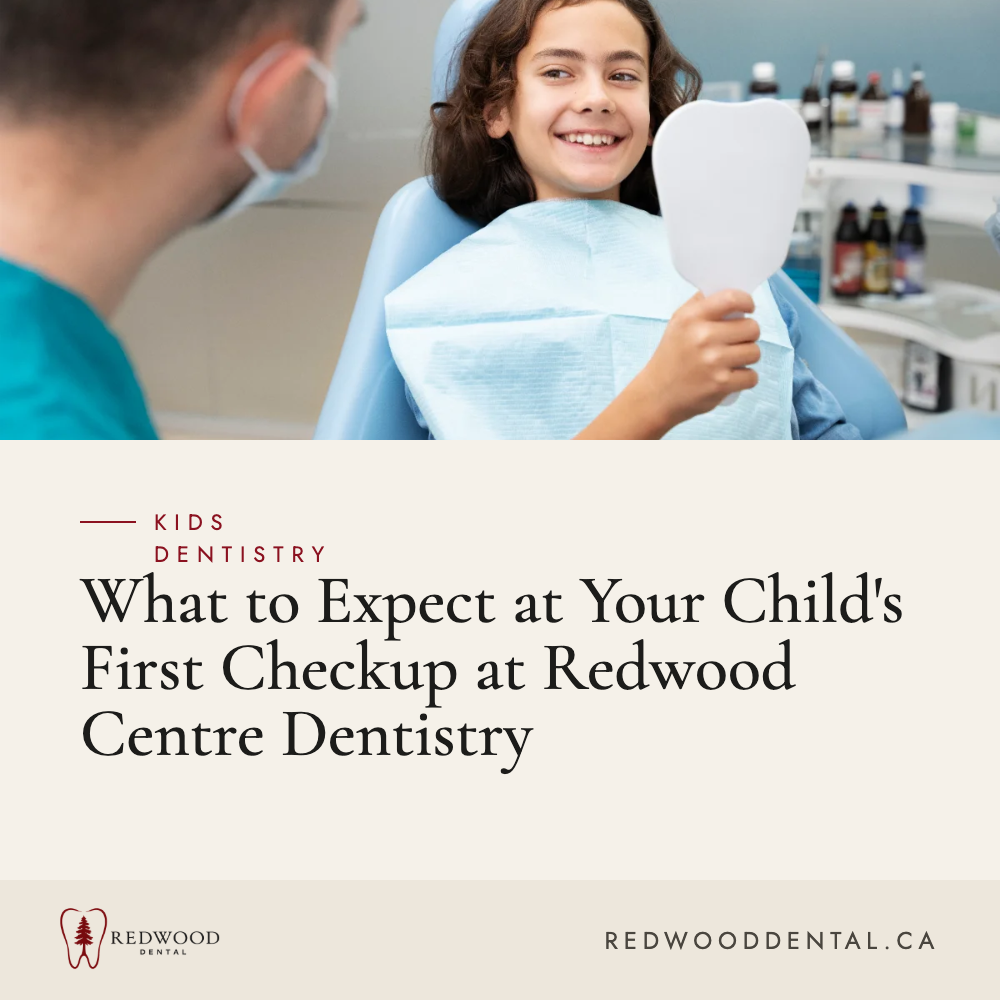
Introducing your child to professional dental care early in life sets the foundational building blocks for a lifetime of radiant smiles, positive dental habits, and unshakeable clinical confidence. For parents and families navigating the early stages of childhood development, scheduling and preparing for a child’s first dental checkup can naturally bring up questions regarding ideal timing, practical home preparation, and what to expect inside the clinical suite.
At Redwood Centre Dentistry, we pride ourselves on maintaining a warm, welcoming, and child-friendly clinical environment meticulously designed to make every young patient feel completely safe, relaxed, and valued. Our dedicated clinical team focuses heavily on gentle preventive care, patient education, and compassionate communication to support families right from the very beginning of their oral health journey.
This comprehensive long-form educational guide explores the precise clinical rationale behind when your child should attend their first appointment, primary tooth eruption timelines, the profound psychological value of positive early dental visits, common teething symptom management, exact procedural steps that occur during a gentle pediatric dental examination, actionable parent preparation strategies, effective daily methods for preventing early childhood tooth decay, the critical influence of infant nutrition, preventive sealants, pediatric dental trauma protocols, thumb-sucking habits, and the foundational science of pediatric fluoride protection.
Child’s First Dental Checkup: What Parents Need to Know
A child’s first dental checkup should occur by their first birthday or within six months after their first primary tooth erupts, whichever comes first. This initial visit focuses on gentle acclimatisation, checking early dental development, and providing parents with personalised home-care guidance.
Early dental checkups are intentionally structured to be exceptionally brief, completely non-invasive, and overwhelmingly positive. Rather than performing complex or intimidating restorative treatments during these formative encounters, the overarching objective of an early pediatric checkup is to establish an atmosphere of trust and comfort between the young child and the dental care team while actively screening for the earliest microscopic indications of decay or abnormal developmental trajectories.
Key Milestones for Early Pediatric Dental Care
| Developmental Milestone | Typical Age Range | Recommended Clinical Focus |
| First Tooth Eruption | 6 to 12 months | Clean emerging primary teeth gently using a soft damp cloth or infant-sized soft bristle toothbrush. |
| First Dental Visit | By age 1 or within 6 months of first tooth | Initial visual checkup, jaw alignment evaluation, and tailored parent oral hygiene coaching. |
| Toddler Transition | 2 to 3 years | Full primary dentition checkup, gentle plaque removal, and professional fluoride guidance. |
When Should Your Child Have Their Very First Dental Visit?
Leading national and international dental organizations overwhelmingly recommend that a child’s comprehensive dental care journey begins much earlier than many parents initially anticipate.
The Clinical Significance of the Age One Rule
Waiting until a child enters primary school or experiences acute, spontaneous tooth pain can inadvertently foster dental anxiety and lead to advanced, untreated pathology. Bringing your infant or toddler in for an evaluation by their first birthday allows our experienced clinicians to monitor overall jaw bone growth, assess primary tooth eruption symmetry, and intercept conditions such as early childhood caries long before they evolve into painful infections.
Furthermore, these early, low-stress appointments actively desensitise young children to the clinical environment, transforming routine dental checkups into a normal, predictable, and stress-free component of growing up healthy. Early professional oversight ensures that minor developmental adjustments can be made easily without patient discomfort.
Primary Teeth Eruption Milestones and What to Expect
Understanding the biological sequence and approximate schedule of baby teeth eruption empowers parents to track normal anatomical development and recognize when a tooth is erupting on time.
Typical Primary Eruption Timeline and Stages
- Lower Central Incisors: These delicate teeth usually emerge first around six months of age, representing the primary milestone of independent biting capabilities and solid food introduction.
- Upper Central Incisors: Typically follow shortly thereafter between eight and twelve months of age, forming the classic smiling milestone for infants.
- Lateral Incisors and First Primary Molars: Erupt between ten and eighteen months of age, significantly expanding the child’s surface area for grinding softer solid foods.
- Canines and Second Primary Molars: Generally emerge between eighteen and thirty months of age, successfully completing the full primary dentition suite consisting of twenty baby teeth.
The Psychological Importance of Positive Early Dental Experiences
Establishing genuine trust between a young child and their dental care team during infancy carries profound, lifelong psychological benefits that extend well into adulthood.
Breaking the Cycle of Dental Phobia
Clinical anxiety regarding dental visits frequently originates from unfamiliar clinical sights, sounds, or visiting a practitioner only when acute pain is already present. By introducing children to the dental clinic when they are toddlers, within an atmosphere defined by gentle praise, playful exploration, and zero pain, clinical visits become familiar routines.
This proactive acclimation significantly dampens physiological stress responses during subsequent visits, fostering an enduring attitude of self-assured dental confidence that benefits individuals throughout their lives.
Detailed Teething Milestones and Managing Infant Discomfort
Teething is a completely normal biological developmental milestone, but it can occasionally create temporary night waking, increased irritability, and mild localized discomfort for growing infants.
Differentiating Normal Teething Symptoms Versus Systemic Illness
- Classic Teething Indicators: Excessive drooling, increased biting or gnawing tendencies, tender gingival tissues, and mild restlessness are typical manifestations of emerging teeth.
- Symptoms Requiring Medical Attention: High fever, persistent vomiting, diarrhea, or spreading skin rashes are never caused by normal teething. If an infant exhibits these systemic symptoms, parents must seek pediatric medical evaluation to rule out viral or bacterial infections.
- Safe, Effective Soothing Strategies: Provide infants with clean, refrigerated teething rings, strictly avoiding liquid-filled rings that carry puncture risks, or gently massage tender gum pads using a cool, damp washcloth.
What Happens During a Gentle Pediatric Dental Examination?
Parents frequently express curiosity about the physical configuration of an infant or toddler dental examination. We utilize gentle, parent-assisted techniques to guarantee your child remains secure and comfortable at all times.
The Knee-to-Knee Examination Technique
For very young children, toddlers, and infants, the examination is routinely performed utilising the knee-to-knee method. In this setup, the parent sits face-to-face with the dentist, and the child rests their head comfortably on the parent’s lap while facing the dentist. This intimate physical positioning ensures the child maintains continuous eye contact with a familiar, comforting parental face throughout the entire checkup.
Essential Components of the Pediatric Visit
- Soft Tissue and Mucosal Assessment: Carefully inspecting the health of the gingiva, tongue, floor of the mouth, and inner mucosal cheeks.
- Eruption and Occlusion Check: Evaluating how primary teeth are aligning relative to one another and verifying adequate spacing for incoming permanent adult teeth.
- Gentle Cleaning and Plaque Removal: Removing soft deposits if present and applying preventive topical fluoride varnish when clinically indicated.
How Parents Can Prepare Their Child for a Stress-Free Visit
Preparation conducted at home plays a monumental role in shaping how a child perceives and reacts to their very first dental appointment.
Actionable At-Home Preparation Protocols
- Explore Child-Friendly Literature: Read positive, engaging storybooks about visiting the dentist to familiarise your child with the visual elements of a modern clinic.
- Practice Role-Playing Games: Engage in playful exercises at home, such as counting teeth using a soft child’s toothbrush or toy, making the clinical examination feel like a fun game.
- Utilize Neutral, Positive Language: Strictly avoid using frightening terminology such as pain, hurt, needle, or drill. Instead, emphasize positive concepts like keeping teeth strong, healthy, sparkling, and clean.
- Optimize Appointment Timing: Schedule clinic visits during times of day when your child is naturally well-rested, cooperative, and alert, purposefully avoiding standard nap times or late evenings.
Preventing Early Childhood Caries and Maintaining Infant Hygiene
Even though primary teeth are eventually replaced by permanent adult teeth, baby teeth play an irreplaceable role in speech articulation, proper nutritional mastication, and holding precise spatial coordinates for permanent teeth. Protecting them from decay is an absolute clinical priority.
Daily Oral Hygiene Best Practices for Parents
- Initiating Twice-Daily Brushing: Apply a microscopic smear of fluoride toothpaste, roughly the size of a single grain of rice, for infants and toddlers under three years of age, transitioning to a pea-sized amount once the child reaches three to six years old.
- Managing Nighttime Bottle Habits: Never put babies to bed with bottles containing milk, infant formula, or fruit juices, as pooled natural sugars feed acid-producing oral bacteria throughout the night.
- Encouraging Hydration with Water: Offer plain water between scheduled meals and after snacks to help rinse away loose food debris and neutralize harmful oral acids.
Dietary Habits, Sugar Awareness, and Infant Nutritional Influences
Dietary patterns established in early childhood exert a profound influence on long-term dental health and the prevalence of dental caries.
The Role of Frequency Versus Quantity of Sugar
Frequent exposure to fermentable carbohydrates and dietary sugars creates prolonged periods of acidic plaque activity on developing tooth enamel. Sticky snacks, dried fruits, and sweetened beverages cling to primary tooth surfaces, increasing demineralization risks. Parents should encourage balanced meals, limit sticky between-meal snacks, and substitute sugary treats with fresh vegetables, cheese, and water.
Dietary Risk Factors in Early Childhood
| Dietary Habit | Potential Dental Impact | Recommended Modification |
| Frequent Sipping of Juice | Constant acid baths on developing enamel surfaces. | Restrict juice to mealtimes and dilute with water; offer fresh fruit instead. |
| Sticky Snack Foods | Prolonged adhesion of carbohydrates in tooth fissures. | Choose crisp vegetables, cheese cubes, or plain yogurt as snacks. |
| Nighttime Milk Feedings | Pooling of milk sugars around teeth during sleep. | Clean teeth after evening feedings and transition bottle-fed infants to water at night. |
Preventative Interventions: Sealants and Topical Treatments for Young Smiles
As permanent molars begin to erupt around age six, preventive interventions can dramatically reduce the likelihood of occlusal decay.
Understanding Dental Sealants
Dental sealants are thin, protective plastic coatings applied to the chewing surfaces of posterior permanent molars. These sealants bond securely into the deep anatomical pits and fissures where toothbrush bristles cannot easily reach, creating a physical barrier against food debris and bacteria. Sealants are quick, comfortable, and highly effective for safeguarding newly erupted permanent teeth.
Managing Pediatric Dental Trauma and Emergency Situations
Accidents during active play or sports can occasionally result in dental injuries involving primary or permanent teeth. Knowing how to respond calmly makes a critical difference.
First-Aid Protocols for Pediatric Dental Injuries
- Trauma to Primary Teeth: If a baby tooth is knocked loose or fractured, contact our clinic promptly. Avoid attempting to reinsert a knocked-out baby tooth, as doing so can damage the underlying permanent tooth bud developing within the jawbone.
- Trauma to Permanent Teeth: If a permanent adult tooth is knocked out entirely, handle it only by the crown, gently rinse away debris without scrubbing the root, and attempt to re-implant it immediately into the socket. If re-implantation is impossible, store the tooth in cold milk and seek urgent dental care immediately.
- Professional Support: For comprehensive guidance during urgent situations, explore our dedicated emergency dental care in Thunder Bay services.
The Impact of Thumb-Sucking, Pacifiers, and Dummy Habits
Non-nutritive sucking habits are entirely normal for infants, providing comfort and soothing sensations during early neurological development.
When Habits Begin Affecting Jaw Growth
While pacifiers and thumb-sucking are harmless in infancy, prolonged habits persisting past age four can permanently alter dental arch dimensions and skeletal jaw relationships. Continuous mechanical pressure often results in anterior open bites, posterior crossbites, and protruding upper incisors. Pediatric dental checkups allow our clinicians to monitor habit patterns and offer gentle encouragement or appliance therapy when necessary to support natural jaw development.
Fluoride Science: Balancing Safety, Efficacy, and Developing Enamel
Fluoride remains one of the single most rigorously evaluated and effective public health measures for remineralizing early enamel demineralization lesions and safeguarding teeth against bacterial acid attacks.
Understanding Topical and Systemic Protection
Topical fluoride works directly on exterior tooth surfaces by hardening enamel against plaque-derived acids. Professional fluoride varnishes administered during pediatric checkups deliver concentrated, safe protection. Parents should actively supervise toothbrushing sessions to ensure young children spit out excess foam rather than swallowing large quantities during active tooth development. Supported by public health guidance from the Australian Dental Association and Healthdirect public health guidelines, proactive fluoride management ensures optimal enamel strength.
Scheduling Your Child’s First Appointment at Redwood Centre Dentistry
Taking the proactive step to schedule your child’s first professional dental checkup establishes an enduring foundation of lifelong wellness.
To explore our practice approach or book your child’s visit, review our child’s first checkup service details or explore our related guidance on emergency dental care in Thunder Bay and preventative dental care practices.
Frequently Asked Questions
Why must a child see a dentist by age one?
Visiting by age one allows dental professionals to detect early developmental concerns, provide guidance on teething and thumb-sucking, and prevent early childhood tooth decay before it requires complex treatment.
Will my baby cry during their first dental checkup?
It is completely normal for infants or toddlers to feel uncertain in new environments. Our team uses gentle distraction and parent-supported knee-to-knee exams to keep the experience calm and reassuring.
Are fluoride treatments safe for toddlers?
Yes. Professional fluoride varnish application is endorsed by dental authorities as a safe, highly effective method for strengthening developing tooth enamel against acid attacks.
How should I clean my baby’s teeth before their first tooth erupts?
Before teeth appear, you can wipe your baby’s gums gently with a clean, damp cloth or gauze pad twice daily to clear away bacteria and get them used to oral care.
How often should my child return for dental checkups after their first visit?
Following the initial checkup, most children benefit from routine preventive examinations every six months to monitor ongoing tooth eruption and maintain optimal oral hygiene.
Take the Next Step in Your Child’s Oral Health
Starting your child’s dental journey early ensures they grow up with a healthy, confident smile.
To book an appointment or learn more about our pediatric care approach, visit our primary child’s first checkup page or connect with our welcoming team at Redwood Centre Dentistry today.